I spoke with Belfast-based American-Irish writer Jenny Holland about the significance of the anti-migrant riots that have erupted in Northern Ireland.
The unrest followed a June 8 attack in which a Sudanese migrant was recorded attempting to behead a man in north Belfast. Elon Musk repeatedly amplified the story, bringing global attention to Northern Ireland and the days of rioting, arson attacks and street violence that followed. The scale of the anti-immigration disorder has surpassed anything seen in England.
Yet much of the reaction online, particularly from Americans, lacks an understanding of Northern Ireland’s unique political and historical landscape.
For example, did you know that most of the masked youths participating in the riots come from Protestant-unionist communities? Why have Catholics largely stayed away? And why has the unrest taken a more violent shape than elsewhere in the UK?
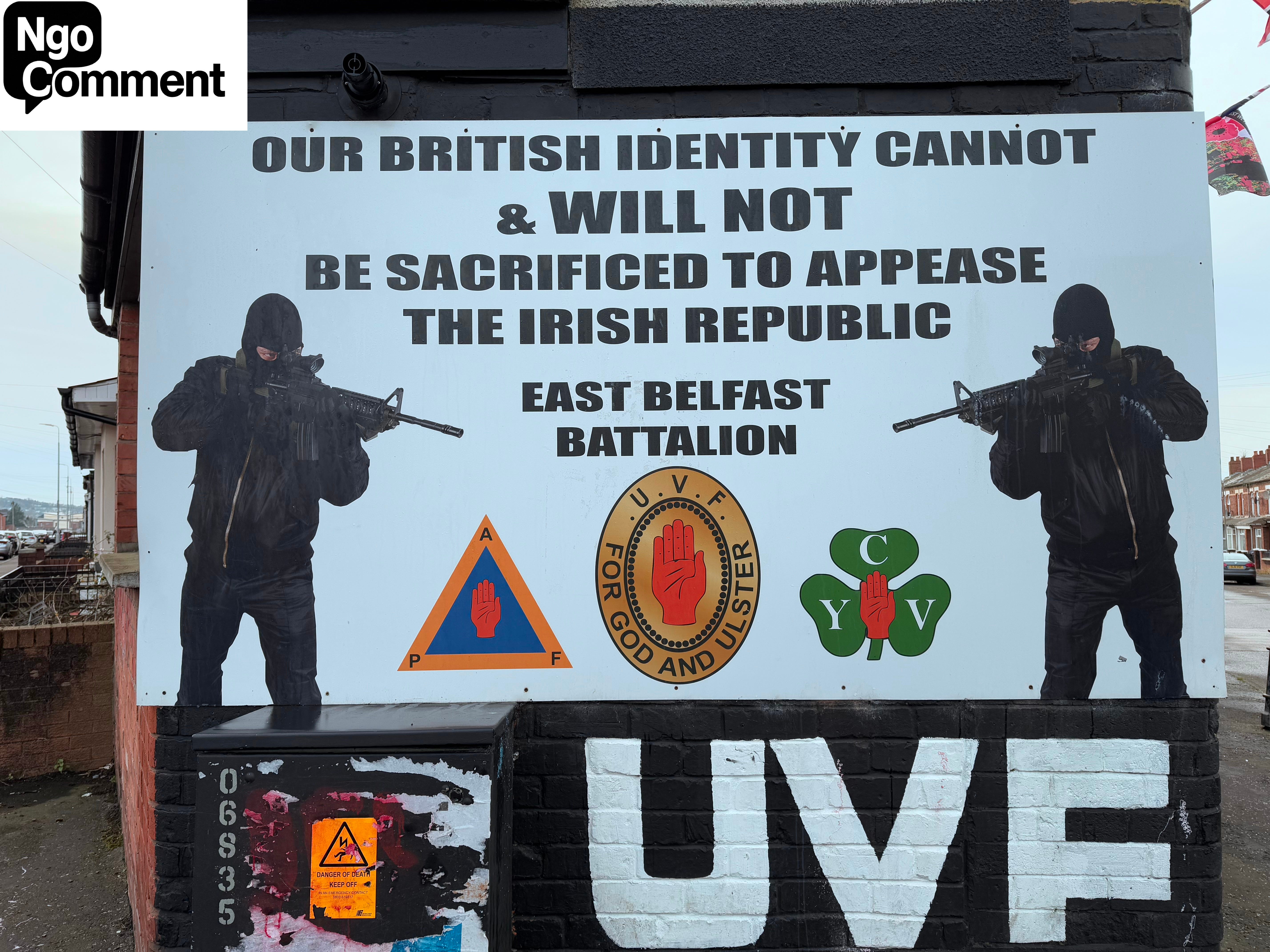
As Jenny explained to me, Northern Ireland is not like the rest of the United Kingdom, nor is it like neighboring Ireland. The country still lives in the shadow of The Troubles. Many people have living memories of paramilitary organizations policing their own neighborhoods, enforcing their own rules and, at times, carrying out punishments, disappearances and killings outside the state.
That history forms an essential backdrop to understanding the current violence and the public reaction to the latest incident involving a migrant suspect.
Jenny is a personal friend whom I visited in Belfast last year. She has a deep knowledge of Northern Irish politics and history and is the daughter of the late journalist Jack Holland, whose acclaimed books chronicled the sectarian conflict and political violence of modern Northern Ireland.
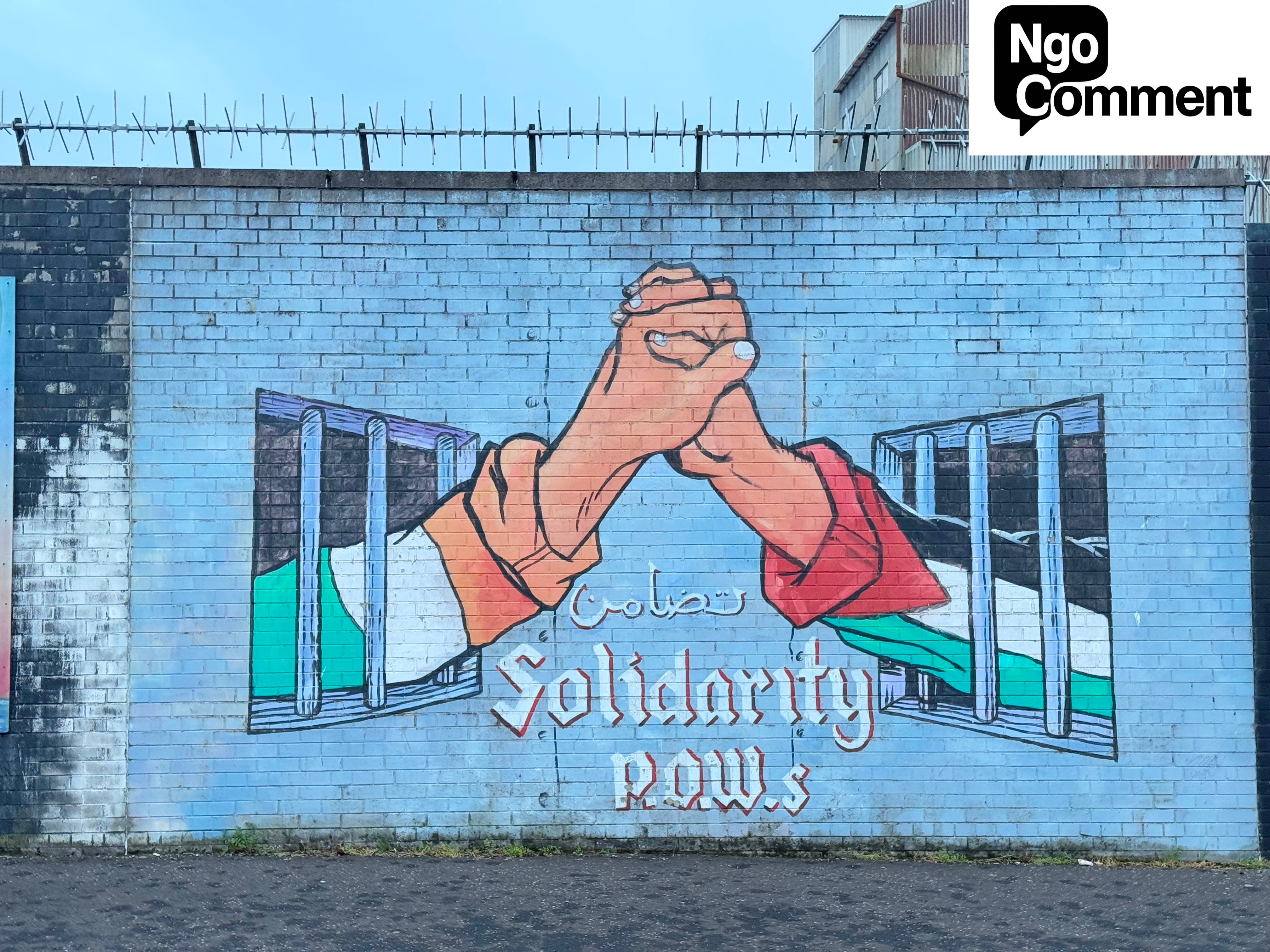
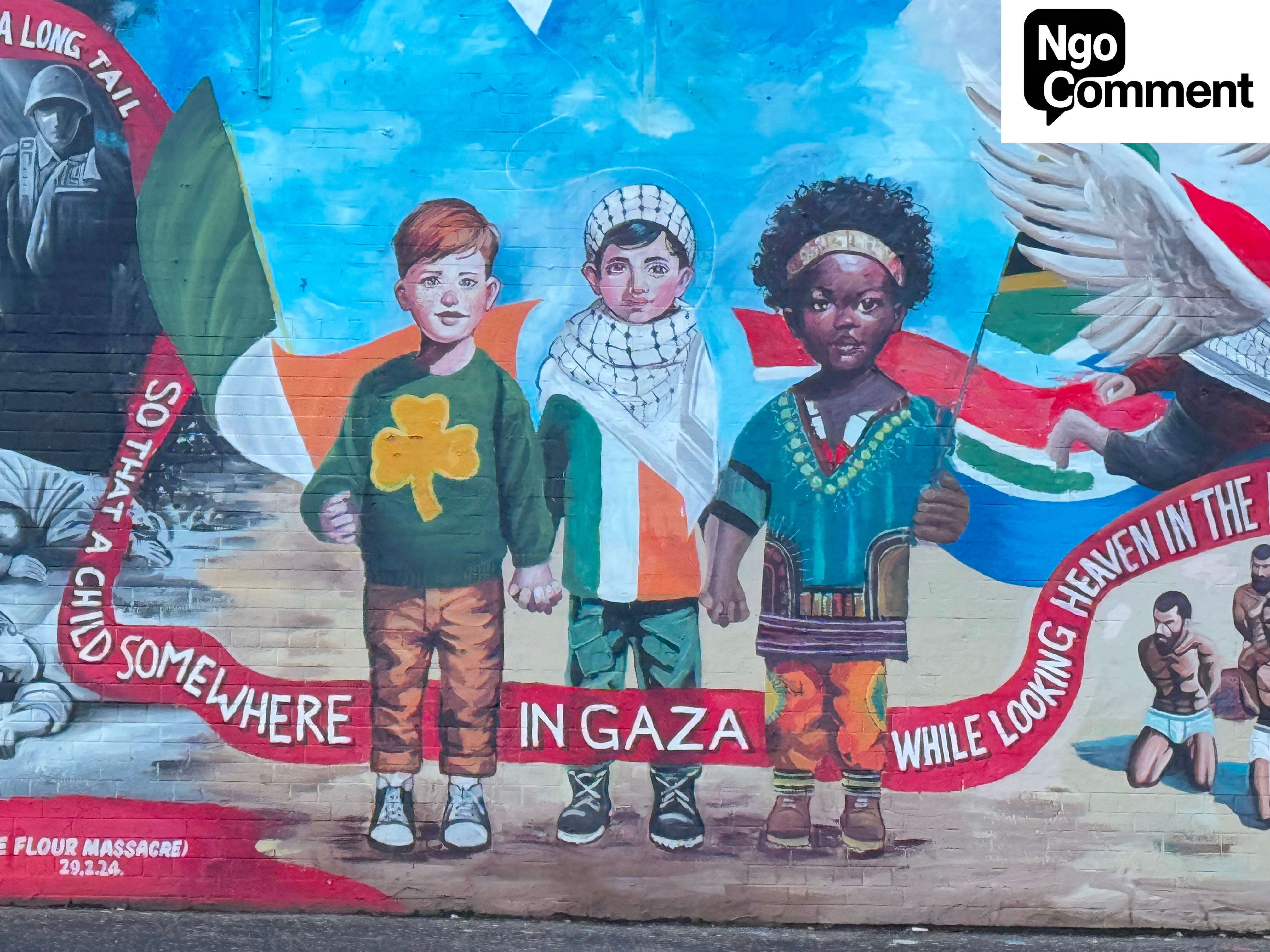
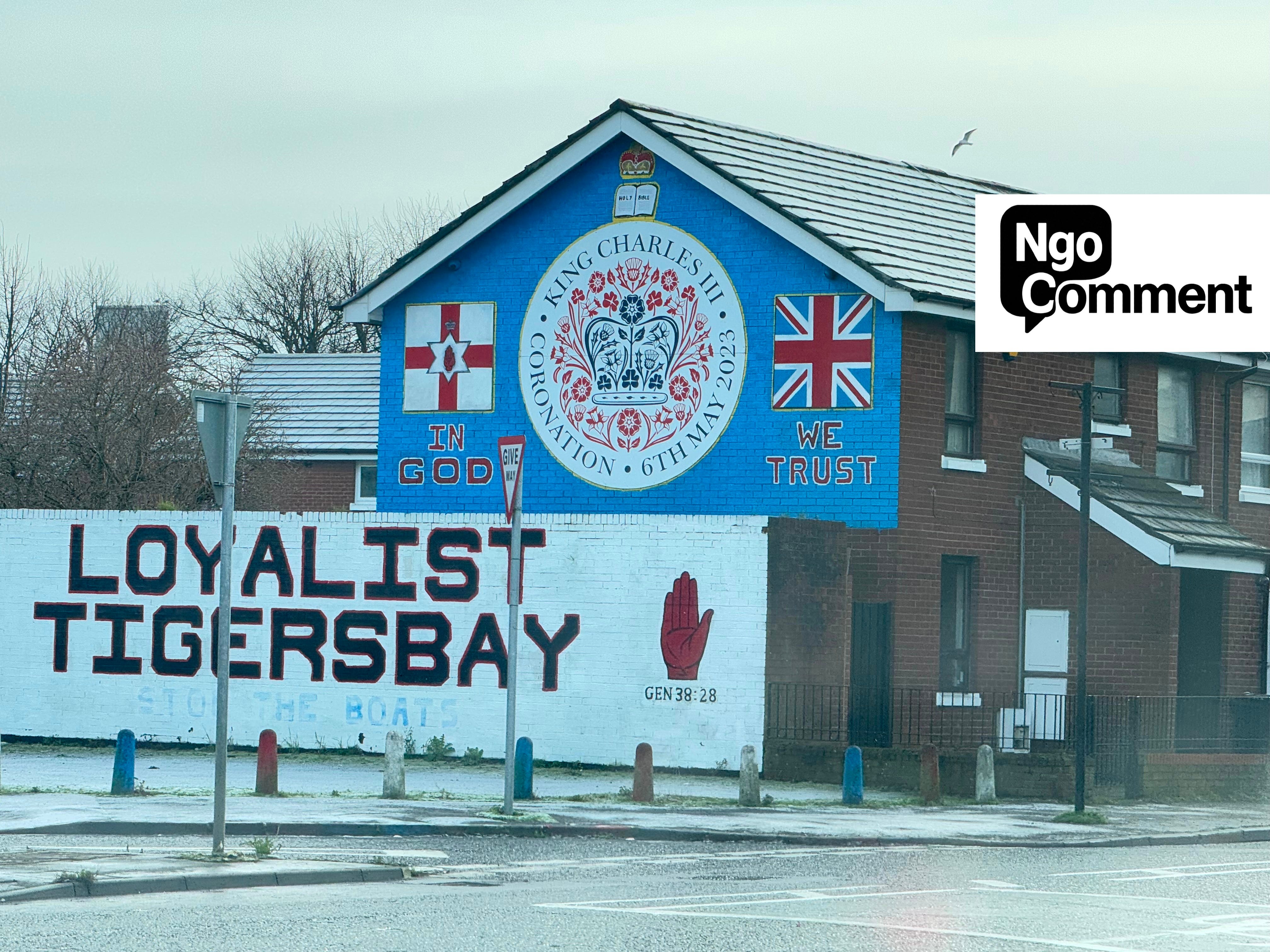
When Jenny showed me around Belfast, I was struck by how visible those divisions still are. In many Catholic-republican neighborhoods, murals express solidarity with Palestine and Third World socialist causes. In Protestant-unionist areas, I saw murals and slogans focused on immigration, including messages such as “Stop the Boats.”
Those contrasts help explain why people in different communities are responding to the current unrest in different ways.
Watch the interview and let me know what you think. Do you like this type of content?