Ngo Comment

Ngo Comment

Home
Notes
Chat
Archive
About

Warnings from Cambodia's Killing Fields (Graphic Post)

I traveled to Phnom Penh to understand one of communism's darkest and most violent chapters.

Andy Ngo's avatar
Andy Ngo
Sep 30, 2026
Cross-posted by Ngo Comment
"Andy Ngo walked through a school converted into a torture prison and recognized floor tiles from photographs of murdered inmates. His Cambodia dispatch brings communist brutality into devastating focus through S-21 and the killing fields of Choeung Ek. Tribunal records establish imprisonment, torture, and executions, including the killing of children, within the Khmer Rouge’s security apparatus. Ngo connects that history with his parents’ experiences under Vietnamese communism and his reporting on violent extremists. His contemporary comparisons are arguments to examine. The Cambodian victims require no analogy to establish their importance. Their photographs confront readers with what revolutionary power actually did."
- Richard Luthmann

Content warning: This post contains graphic images.

Ahead of the Oct. 13 release of my book about the Zizian AI-doomer trans death cult, I traveled to Southeast Asia. You might have noticed I have not posted as much on Ngo Comment in the last few weeks. I apologize for that absence.

Most of my short social media posts about the trip highlighted the incredible foods I sought out and enjoyed with gluttony: pandan leaf desserts, noodle soups, pomelo salads and stir-fries to my heart’s content. Those lighthearted, apolitical posts also served another purpose: They helped mask how deeply disturbed I was feeling beneath the surface.
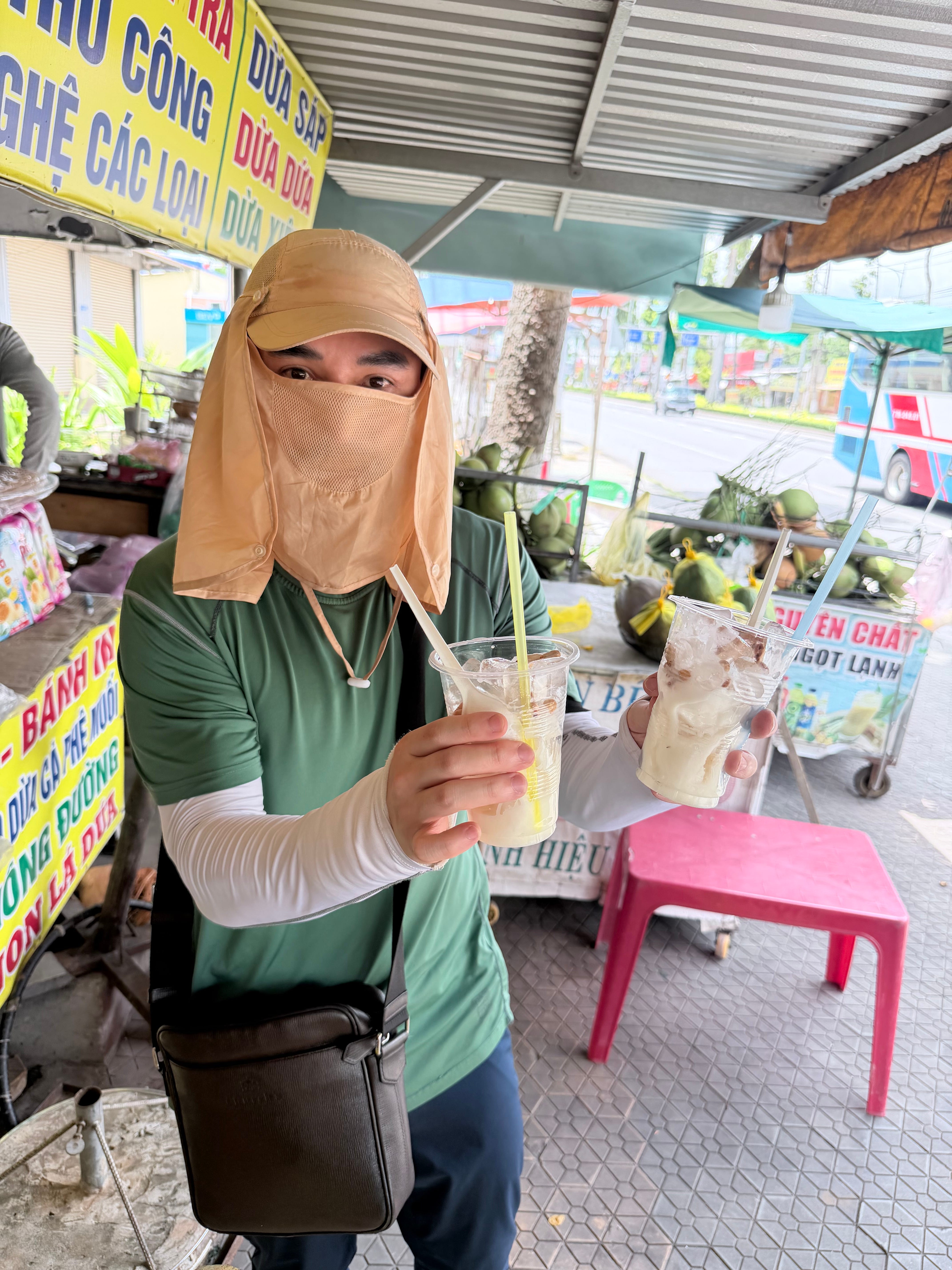
I burn easily in the harsh Asian sun, so I took to physically covering my skin like a fundamentalist Muslim woman.
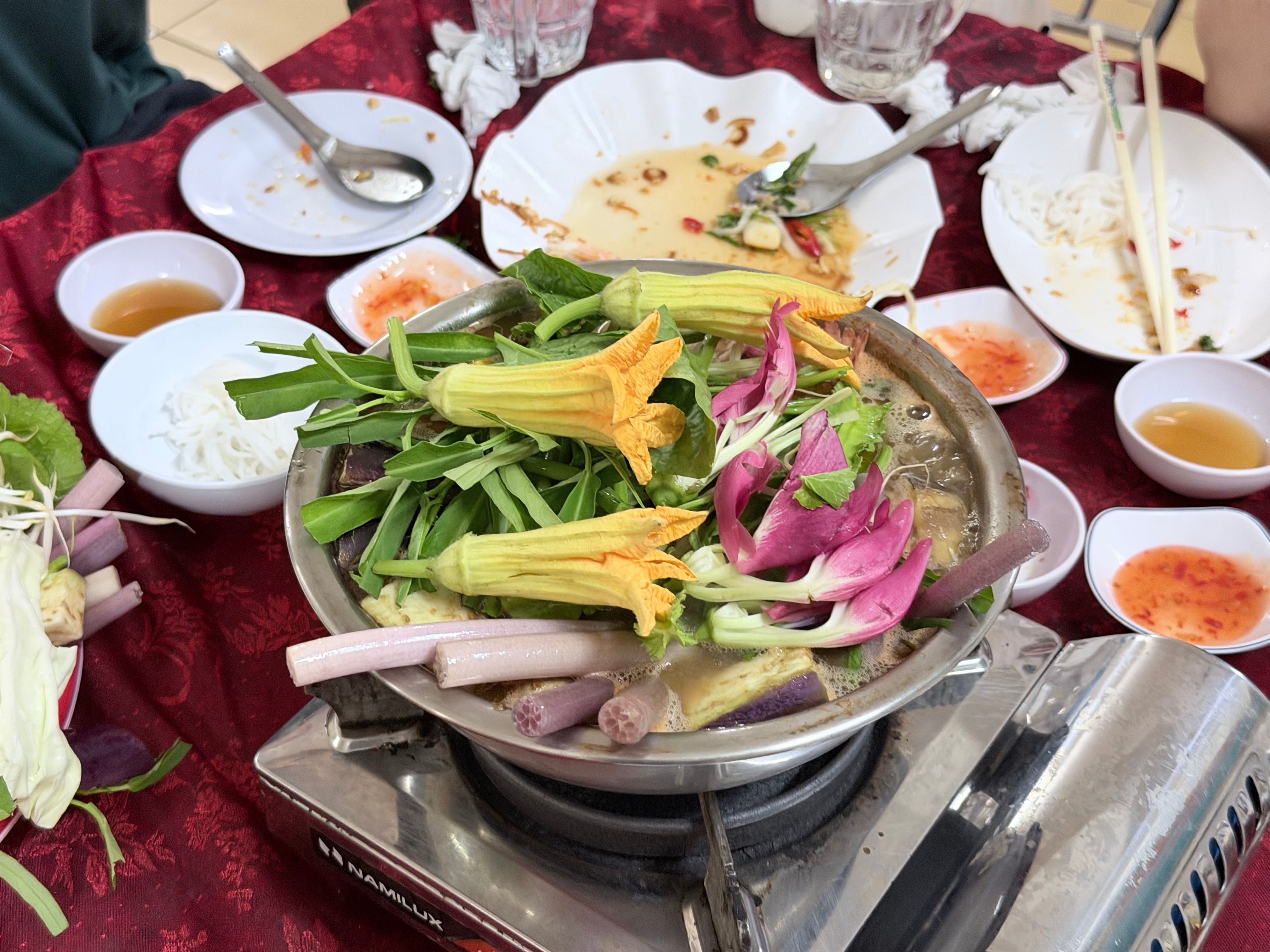
The vegetables and blossoms that went in this fermented fish hot pot in Soc Trang, Vietnam looked too beautiful to eat.
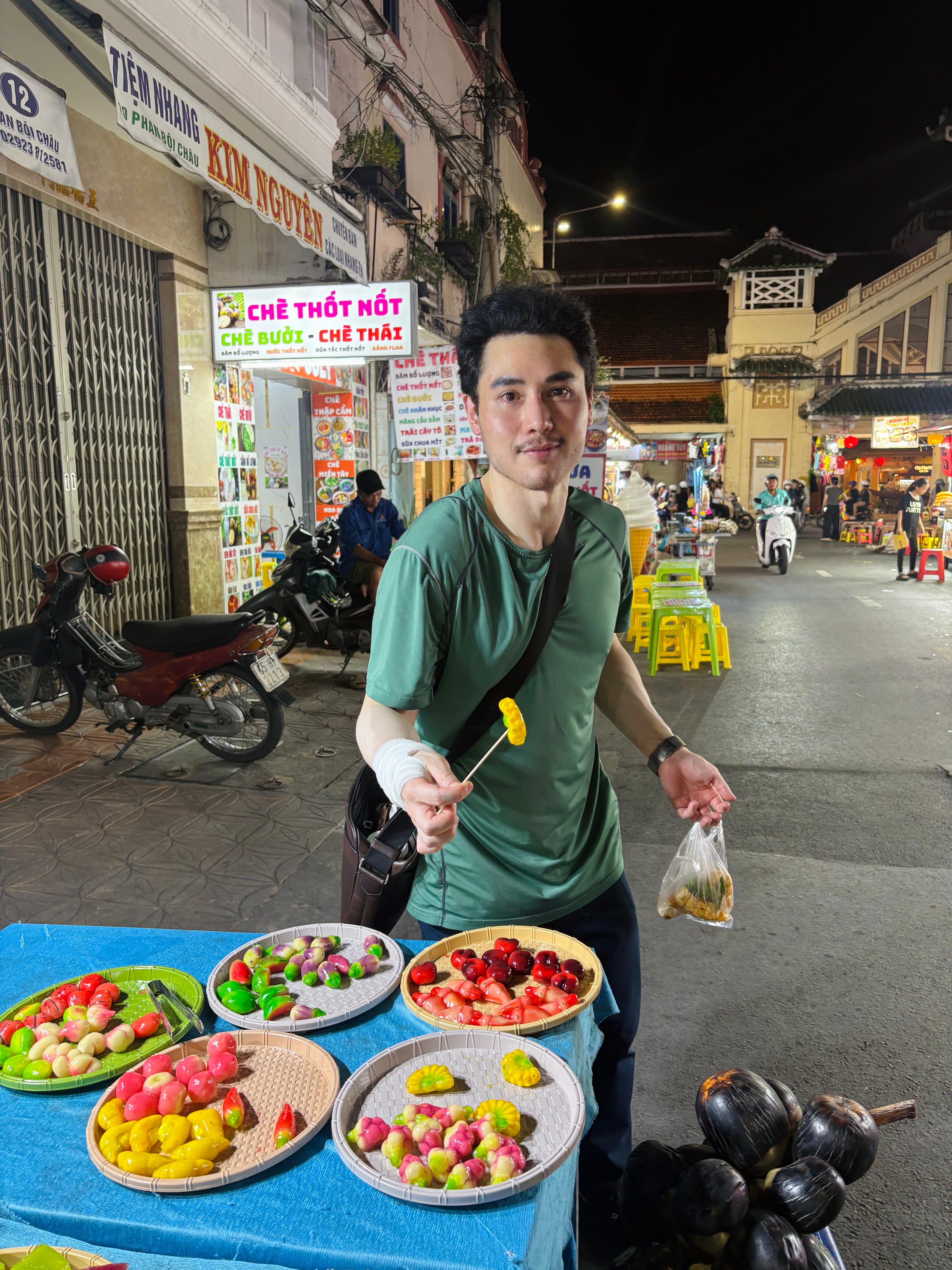
I visited a dessert stand at a night market in Can Tho, Vietnam. These little colorful desserts are filled with mung bean paste and are hand-molded into shapes.
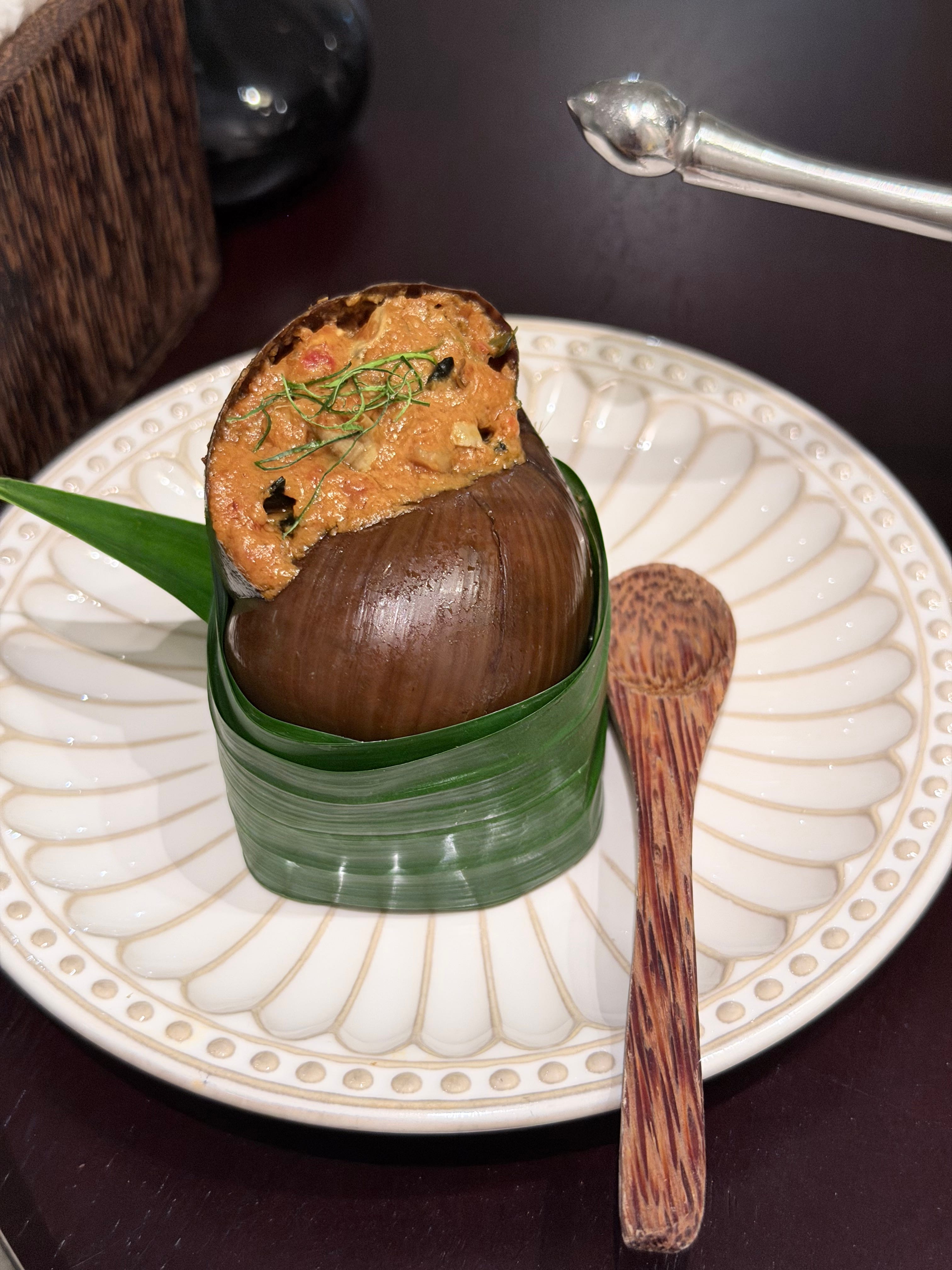
Jumbo snail stuffed with curry in Phnom Penh, Cambodia.

Among the places I visited were Tuol Sleng, also known as S-21, and Choeung Ek, the killing fields, in Phnom Penh, Cambodia.

S-21 and Choeung Ek remain two of the most notorious sites of the mass atrocities committed by Cambodia’s communist Khmer Rouge regime under Pol Pot in the 1970s.

As a journalist who writes about far-left violent extremism and has experienced some of that violence myself in Portland, Ore., I was ashamed of how little I knew about how revolutionary communist violence had played out in Cambodia.

Content warning: Below this line are graphic images.
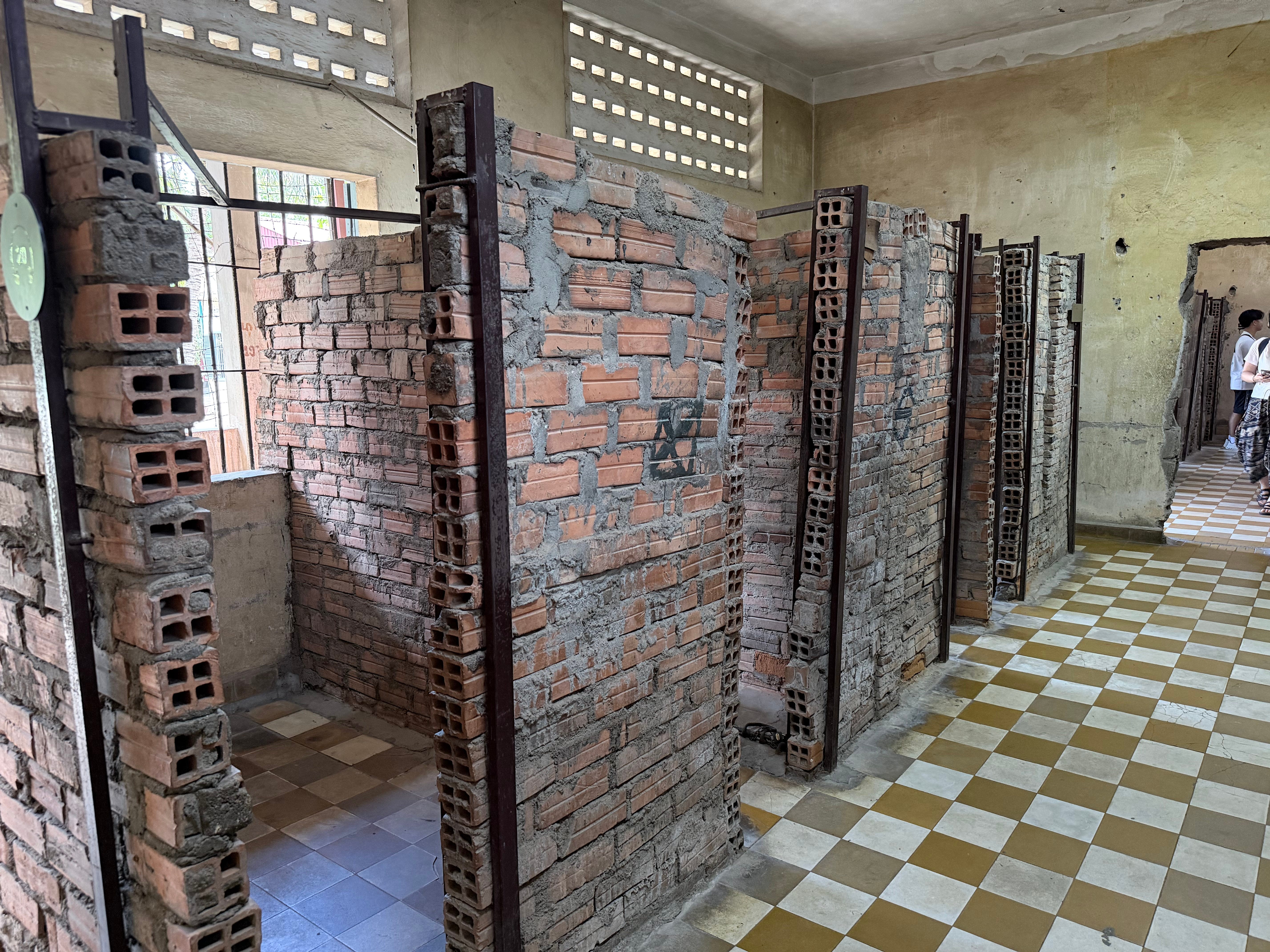

Original prison cells at S-21 where inmates were kept before being sent off to death camps.
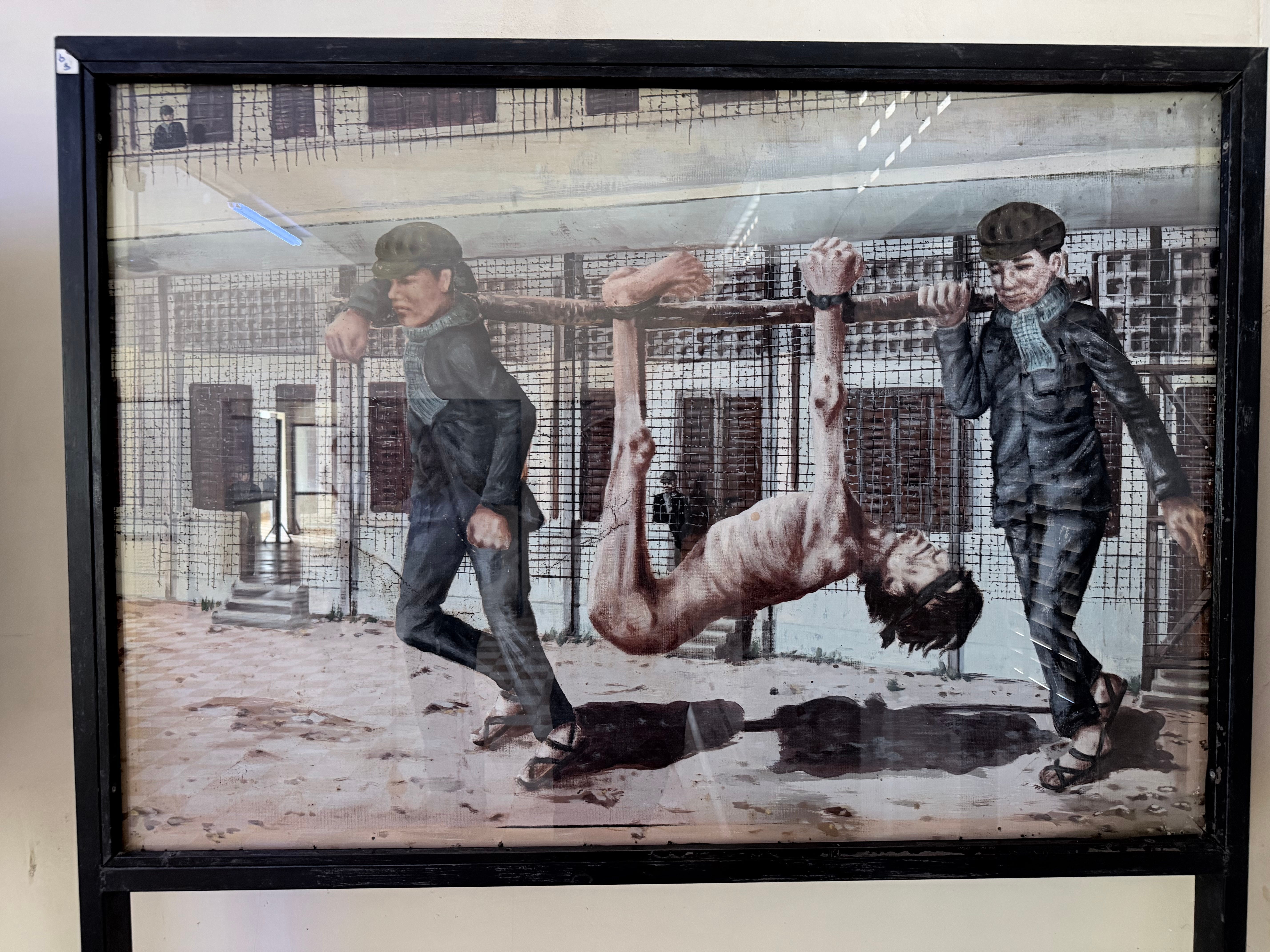
An artist's recreation of how prisoners were tortured based on tribunal testimonies after the fall of the Khmer Rouge regime.
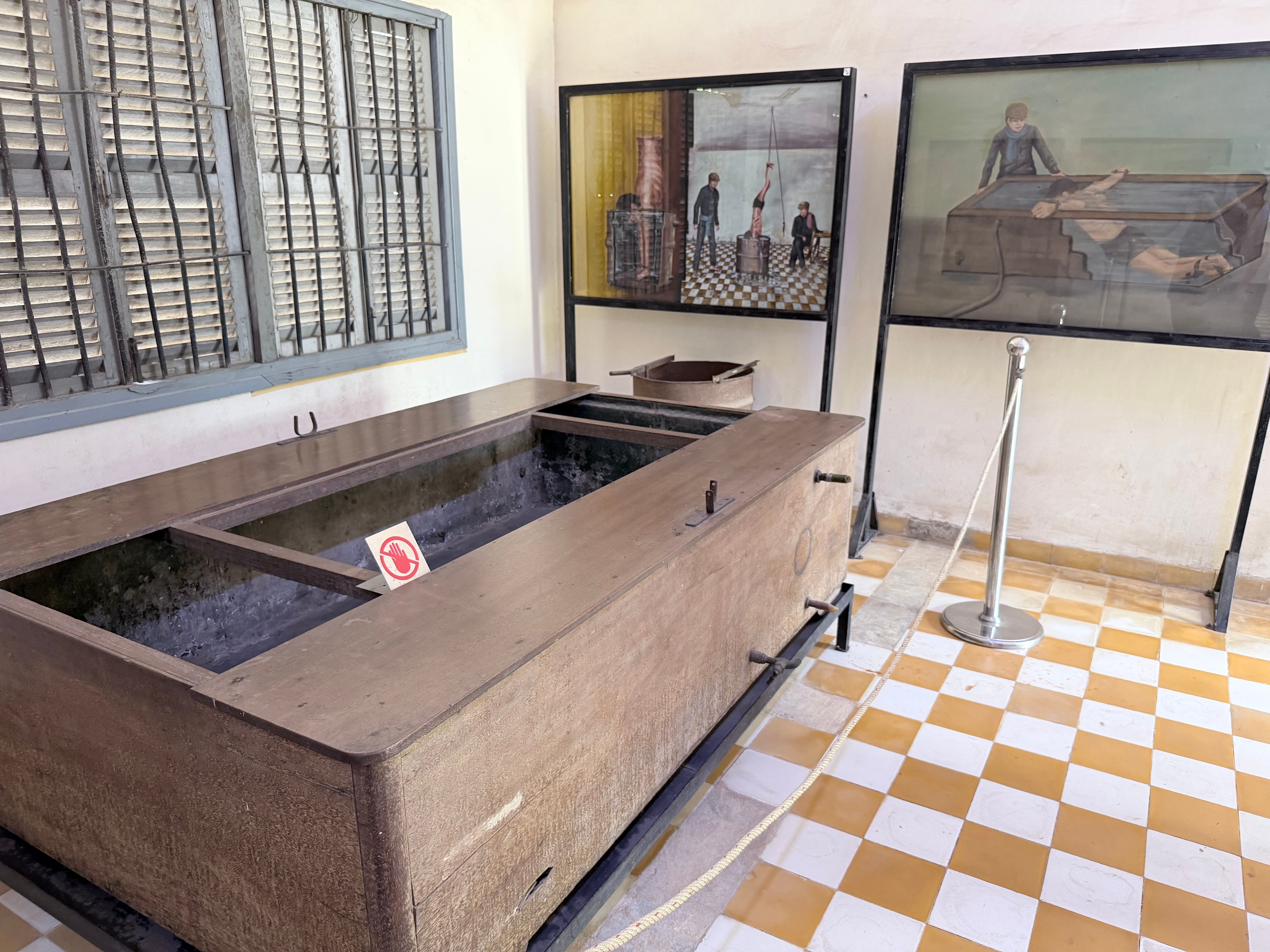
A coffin-like ‘device’ used for water torture at S-21.

S-21 displays hundreds of human remains found on the prison grounds in 1979. Many of the skulls were bashed in because regime cadres were instructed to save ammunition by killing prisoners with tools and blunt-force trauma.
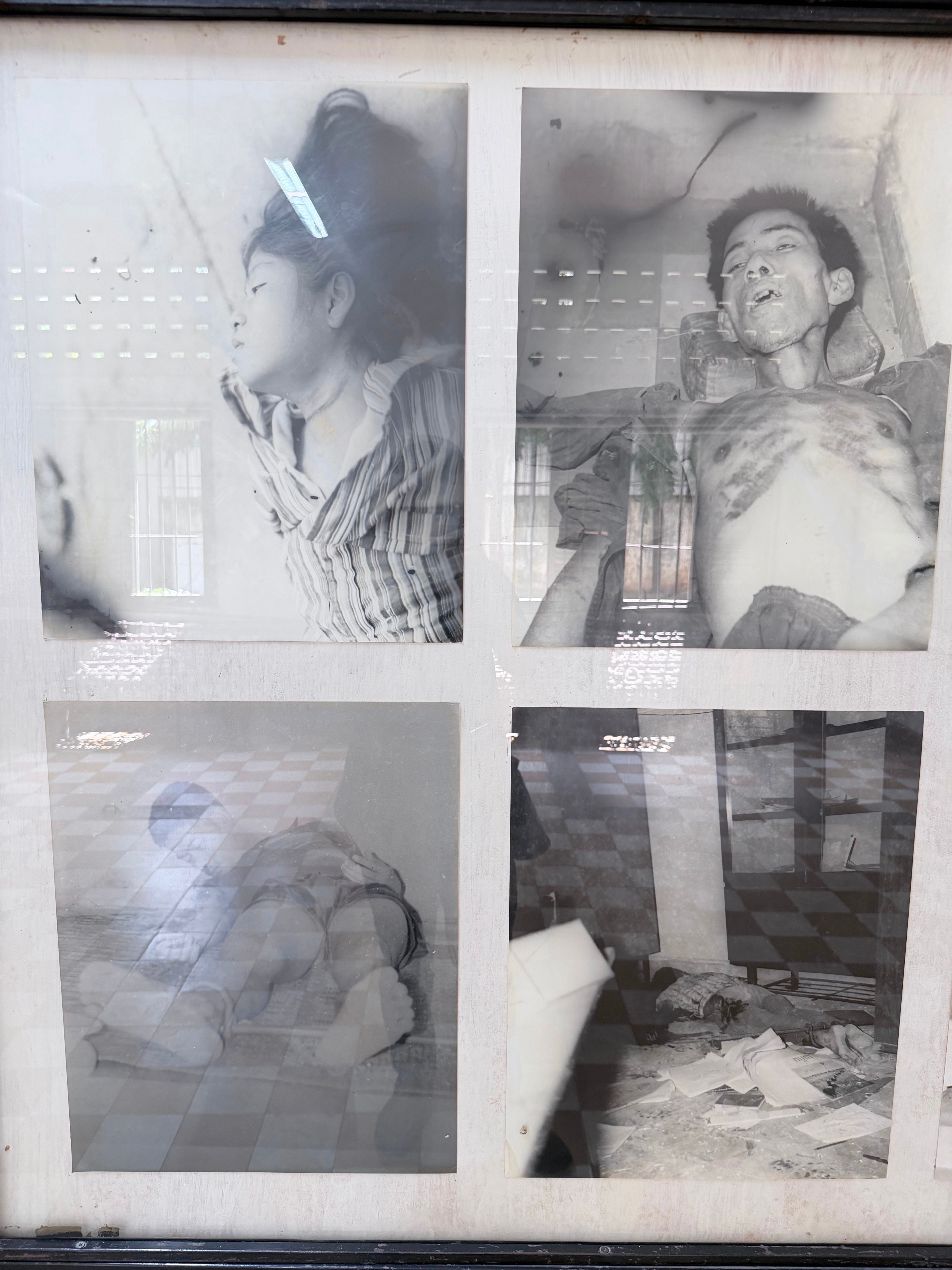
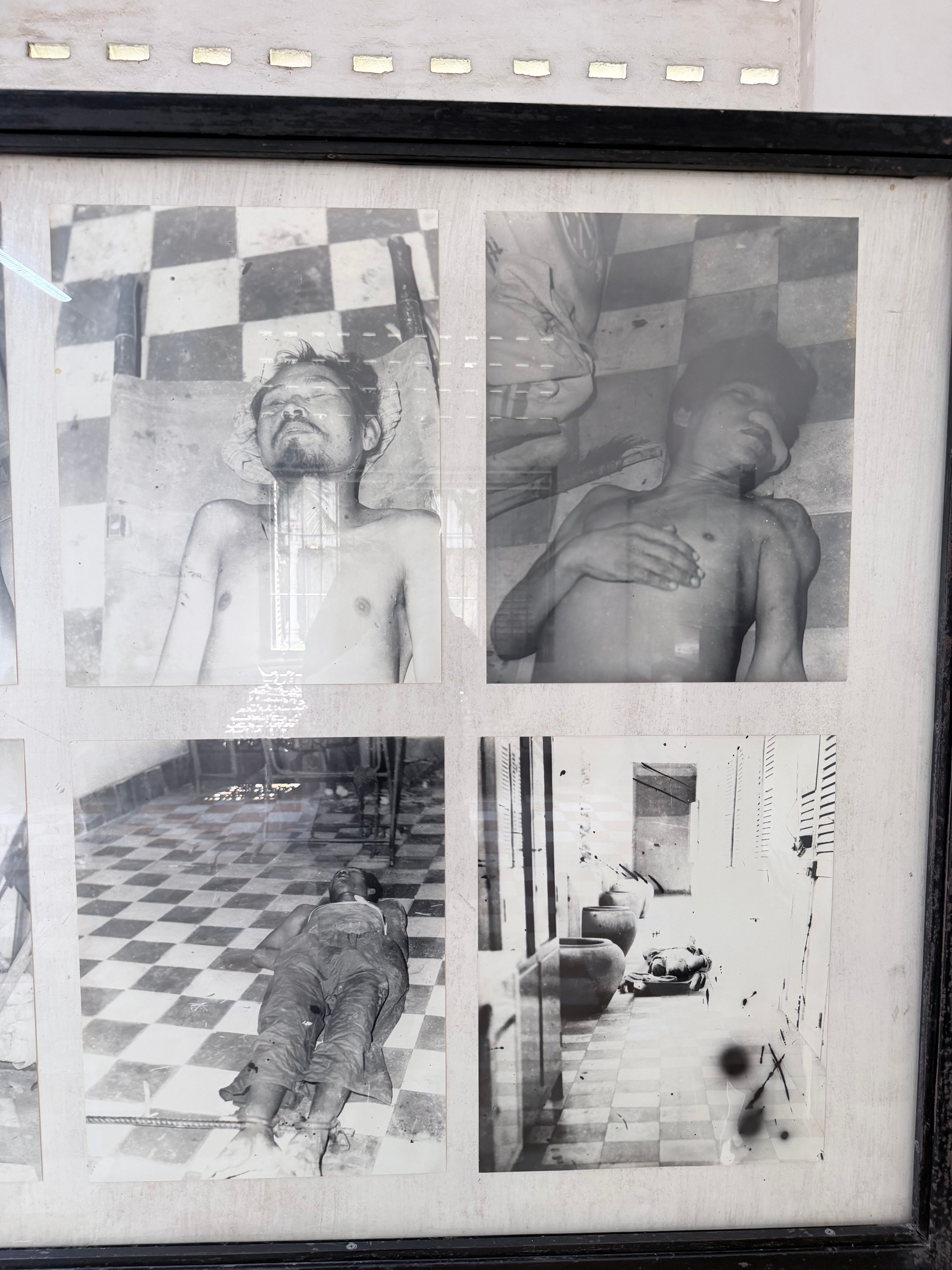
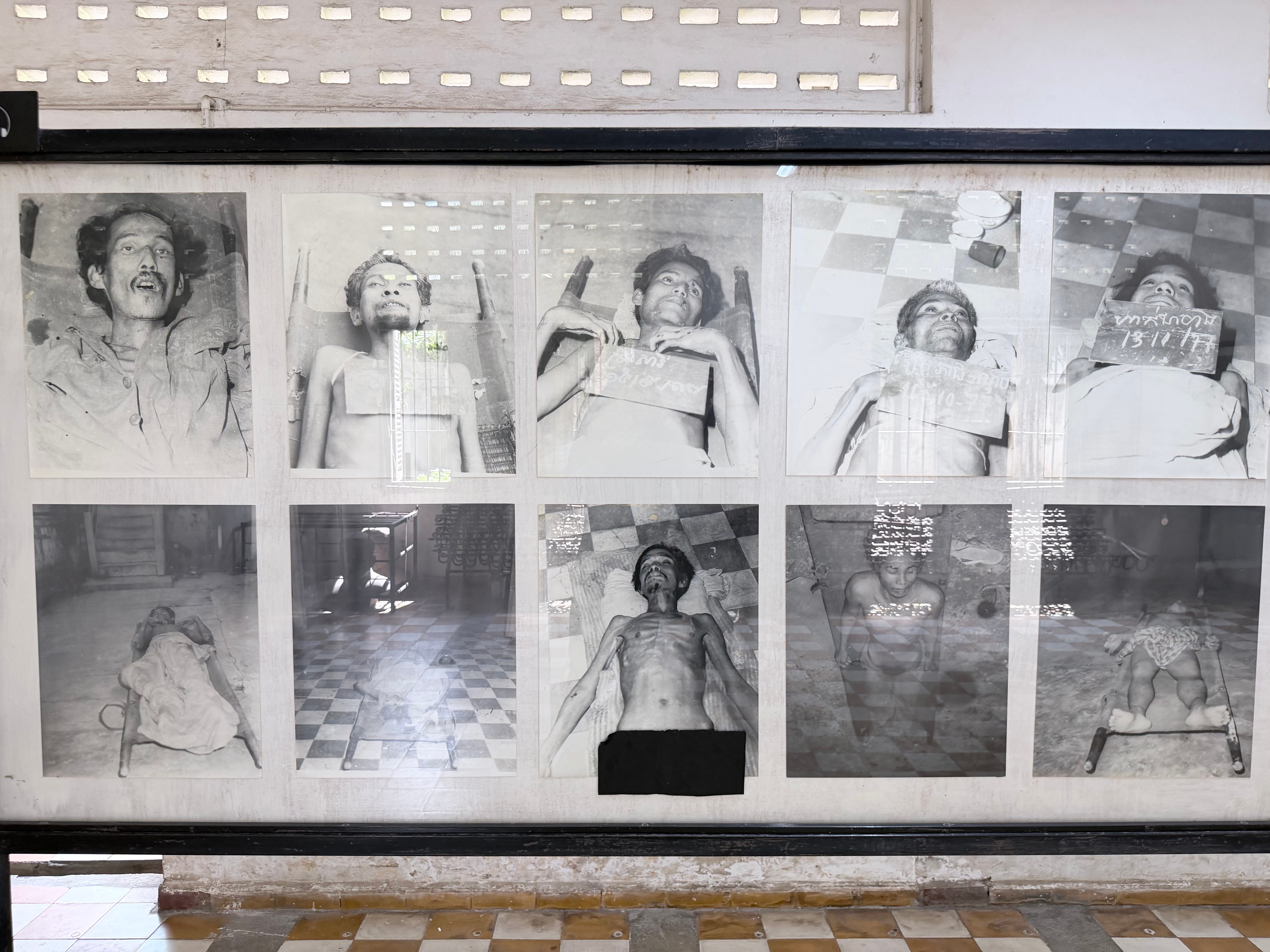
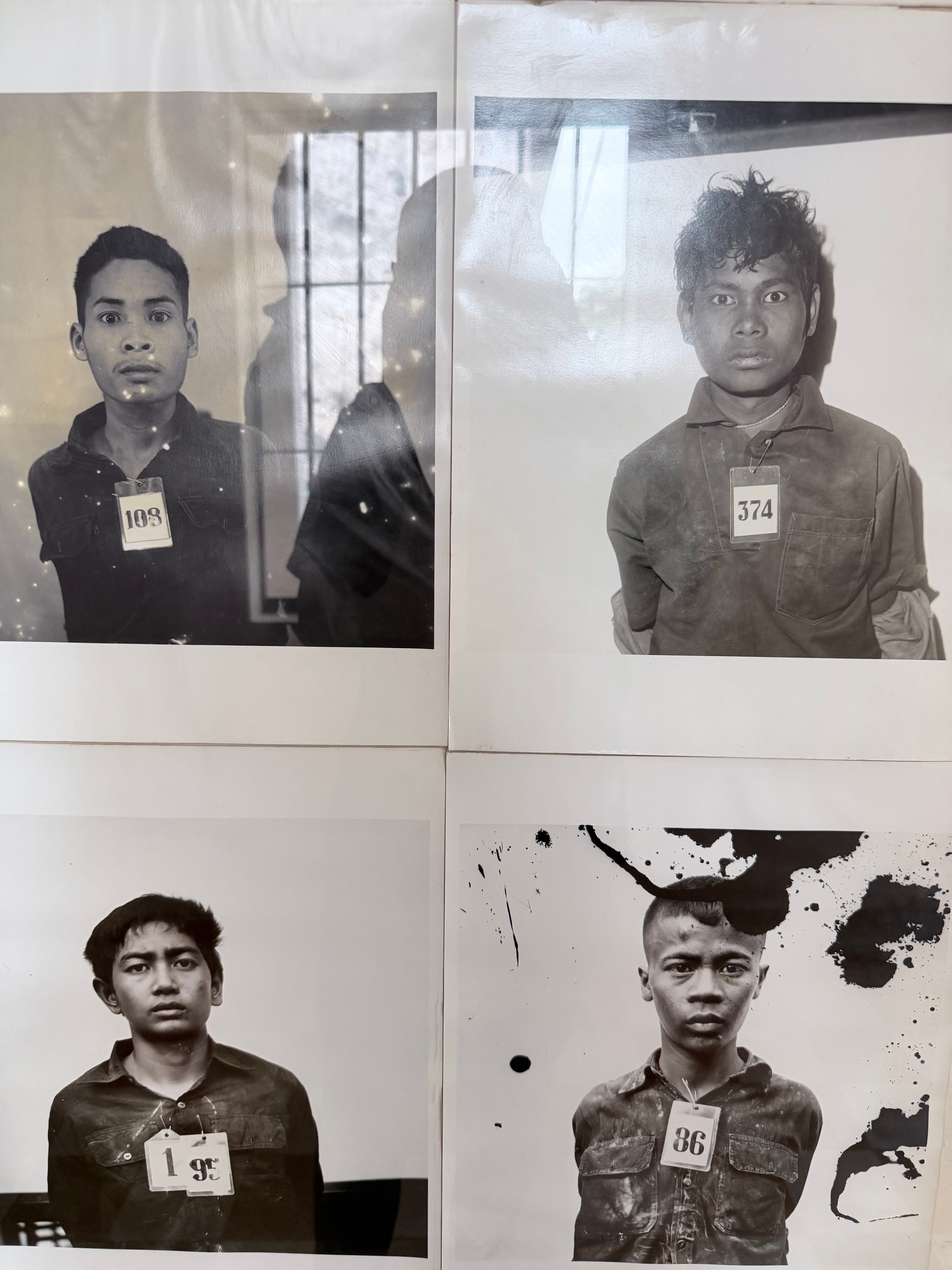
S-21 displays photos of deceased prison victims found in Khmer Rouge records that weren’t destroyed.
I recognized these floor tiles in the photographs as the same ones I just walked on at S-21.

I was familiar with the history of communist violence in Vietnam because my own parents experienced it after the fall of Saigon. My father was sent to a “re-education” prison camp, while my then-teenage mother and her family were relocated to do agricultural labor. I wrote about some of this family autobiographical history in my first book, Unmasked: Inside Antifa’s Radical Plan to Destroy Democracy.
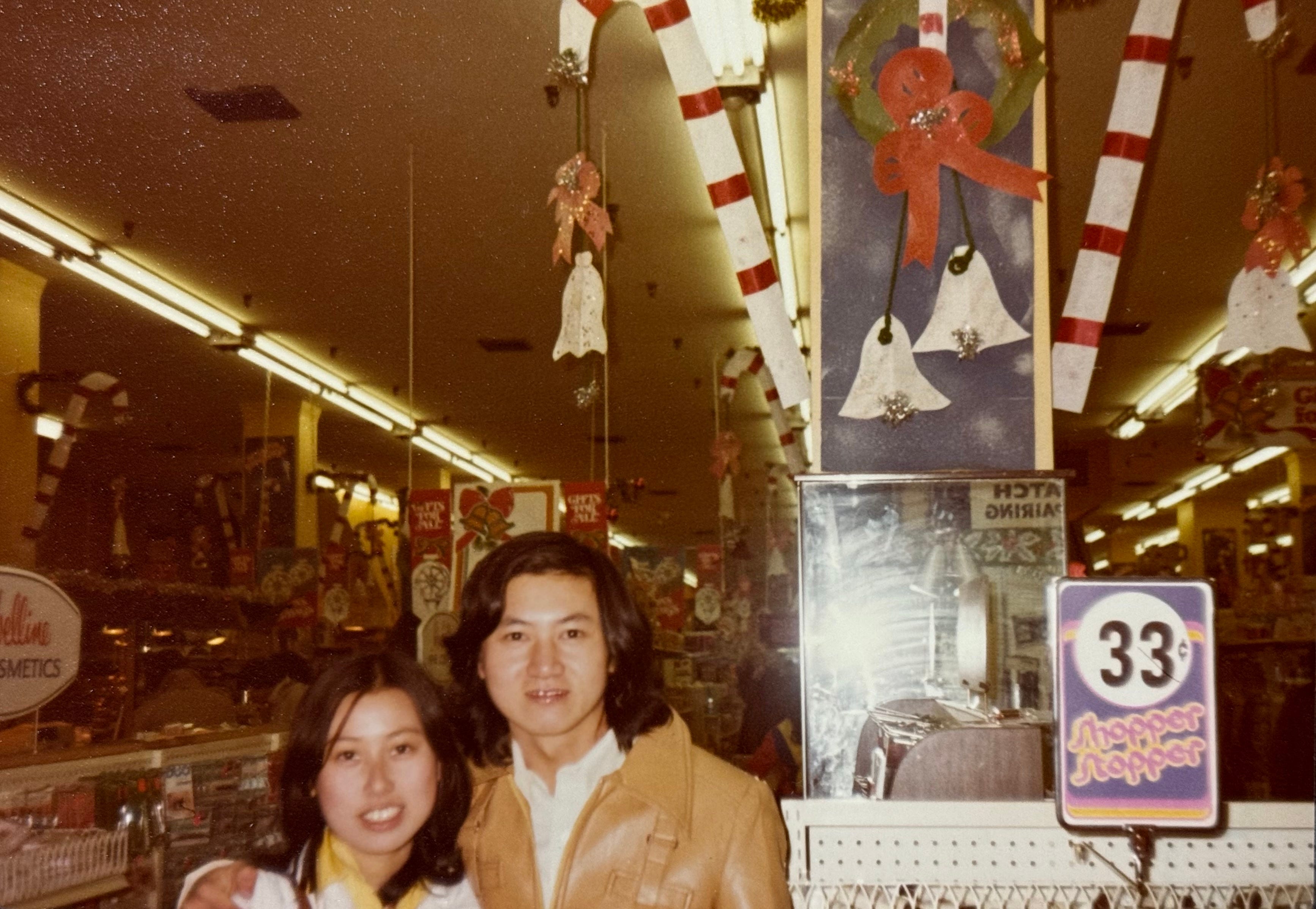
My parents shortly after being settled in the U.S. around 1980.

But my knowledge of what occurred in neighboring Cambodia was embarrassingly limited to what little I had picked up over the years from articles about the genocide.

You can read my full essay about the trip at The Post Millennial. I even had the chance to meet one of 12 known survivors of S-21.

I connect what I learned about the genocide to the ideological thread of fervent radicalism and the politics of jealousy that I see in Antifa, Trantifa and far-left extremists.

I have included exclusive videos and photos in this post for my Substack readers.
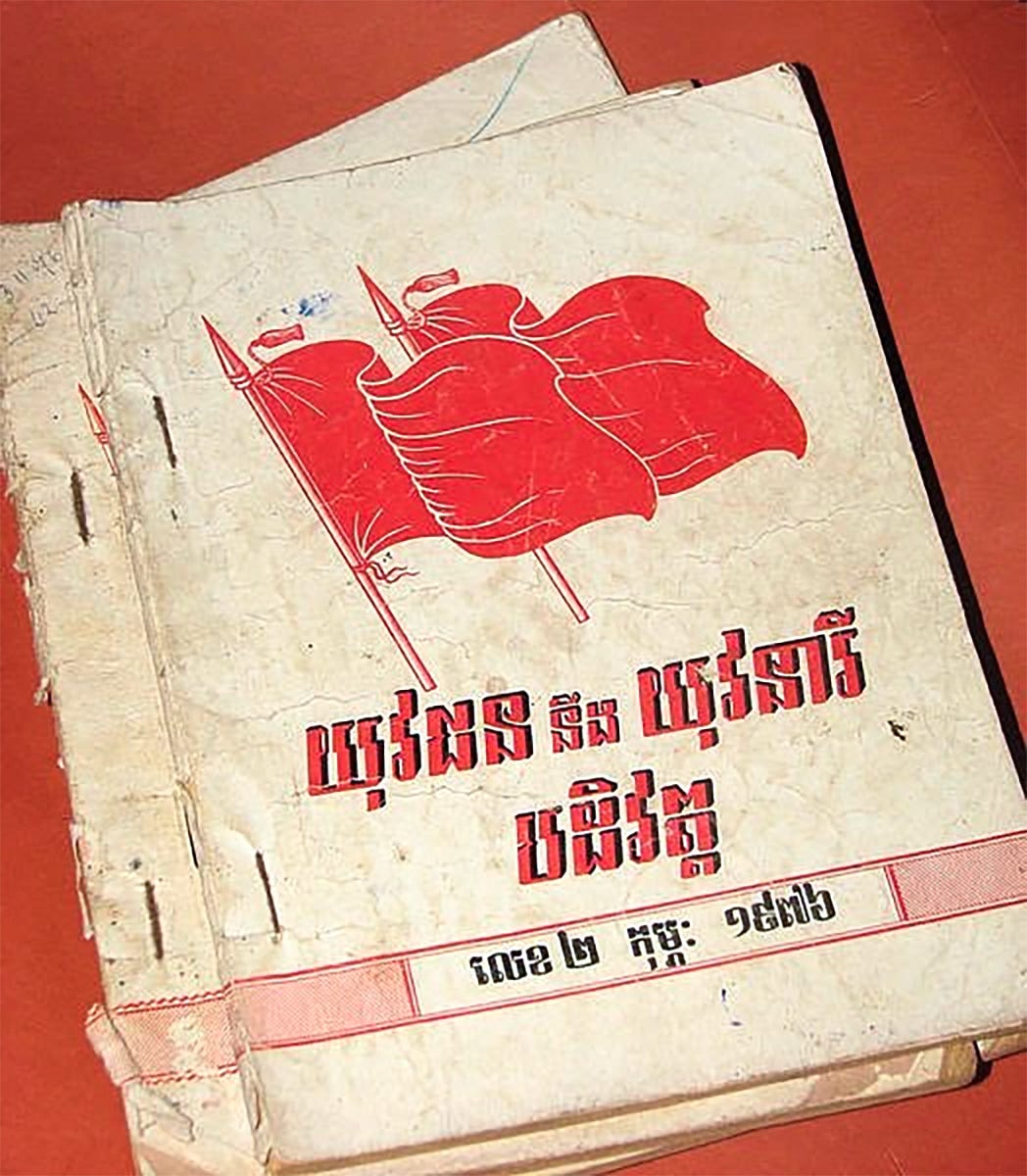
The propaganda symbol for the Khmer Rouge is similar to the logos for historical and contemporary Antifa.
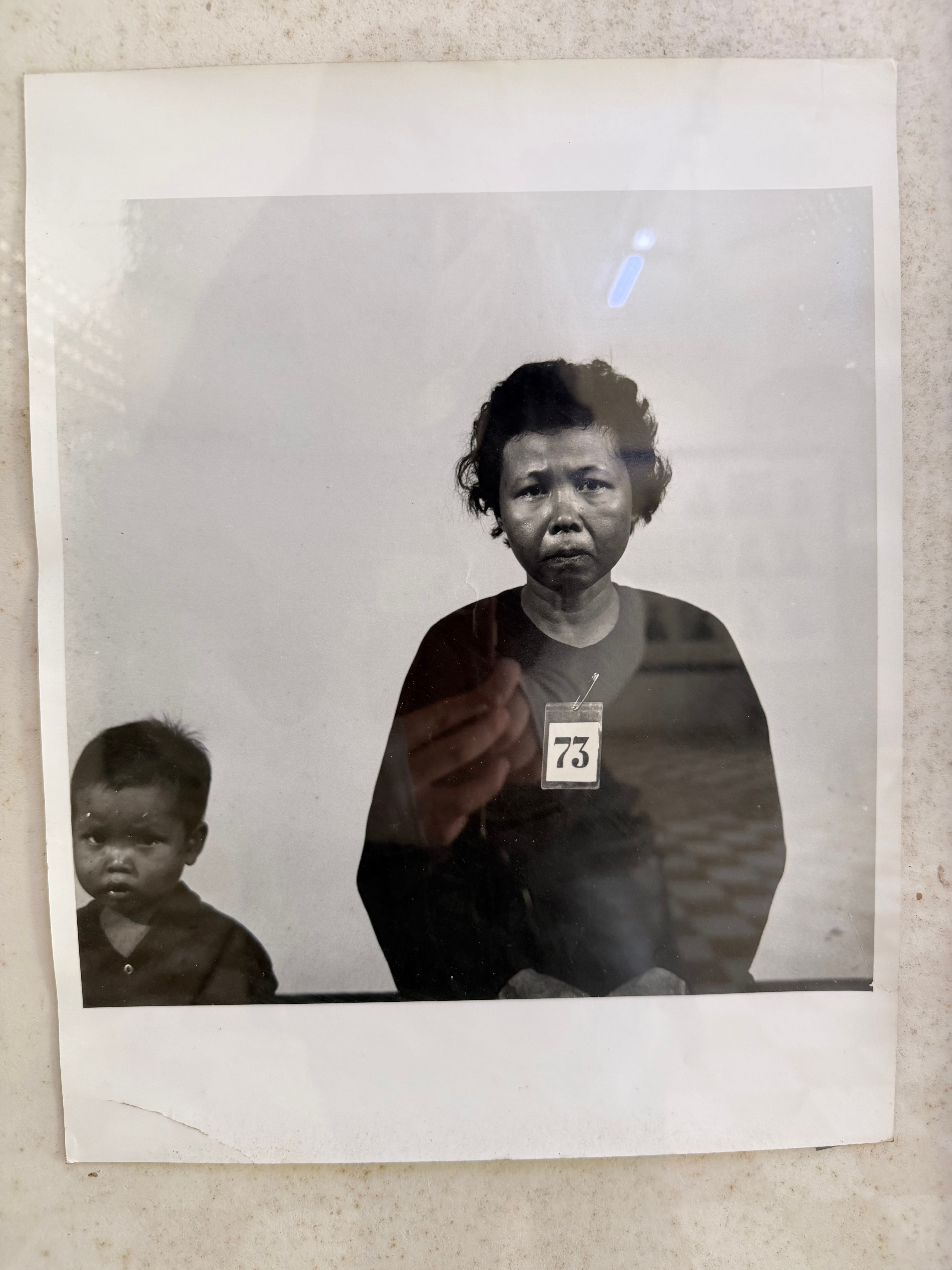
A female S-21 inmate and her young child. Almost no one survived once they were arrested on suspicion of being an enemy of the socialist revolution.
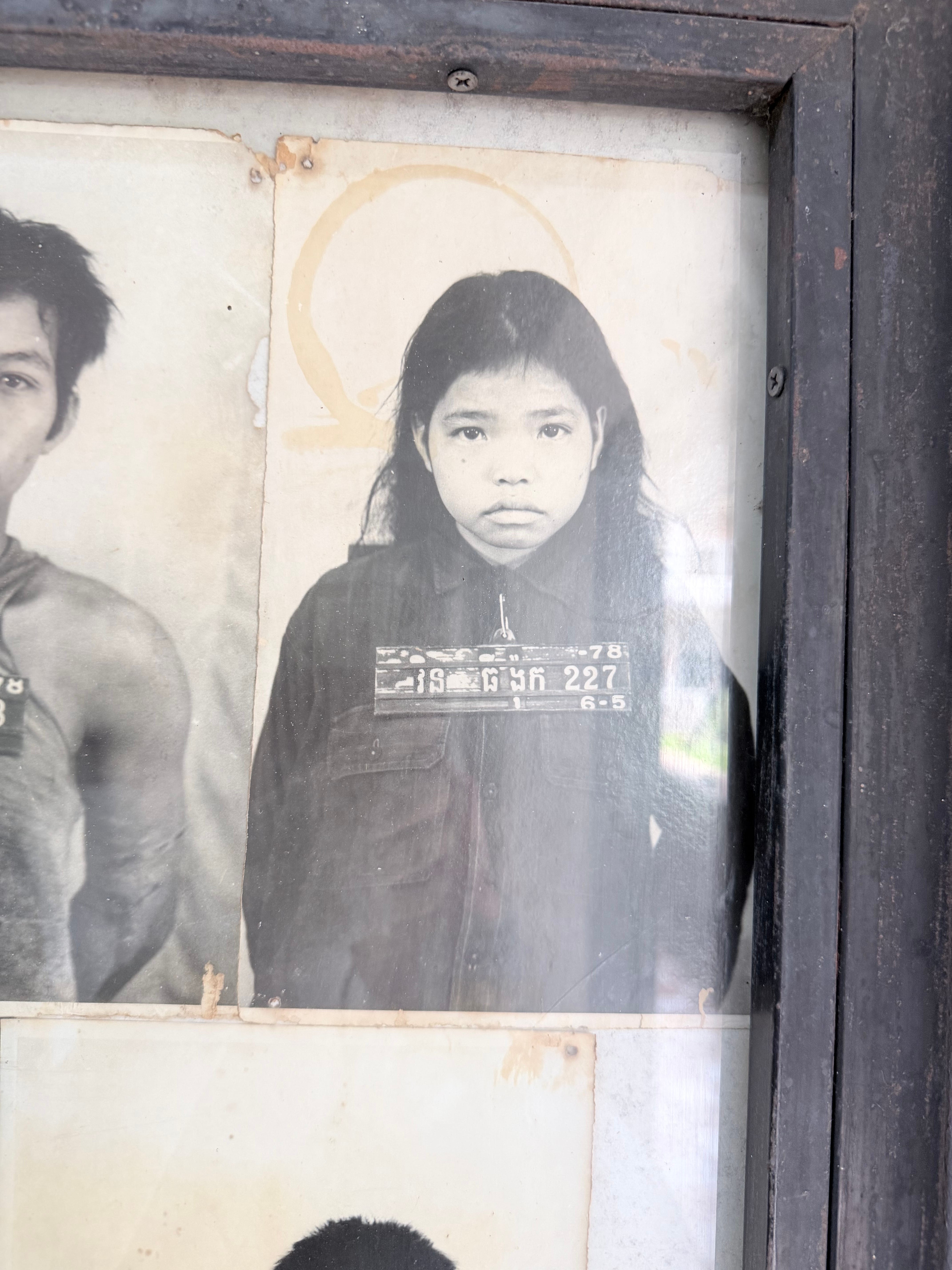
A young girl was booked into the prison in 1978. She was likely killed along with her family.
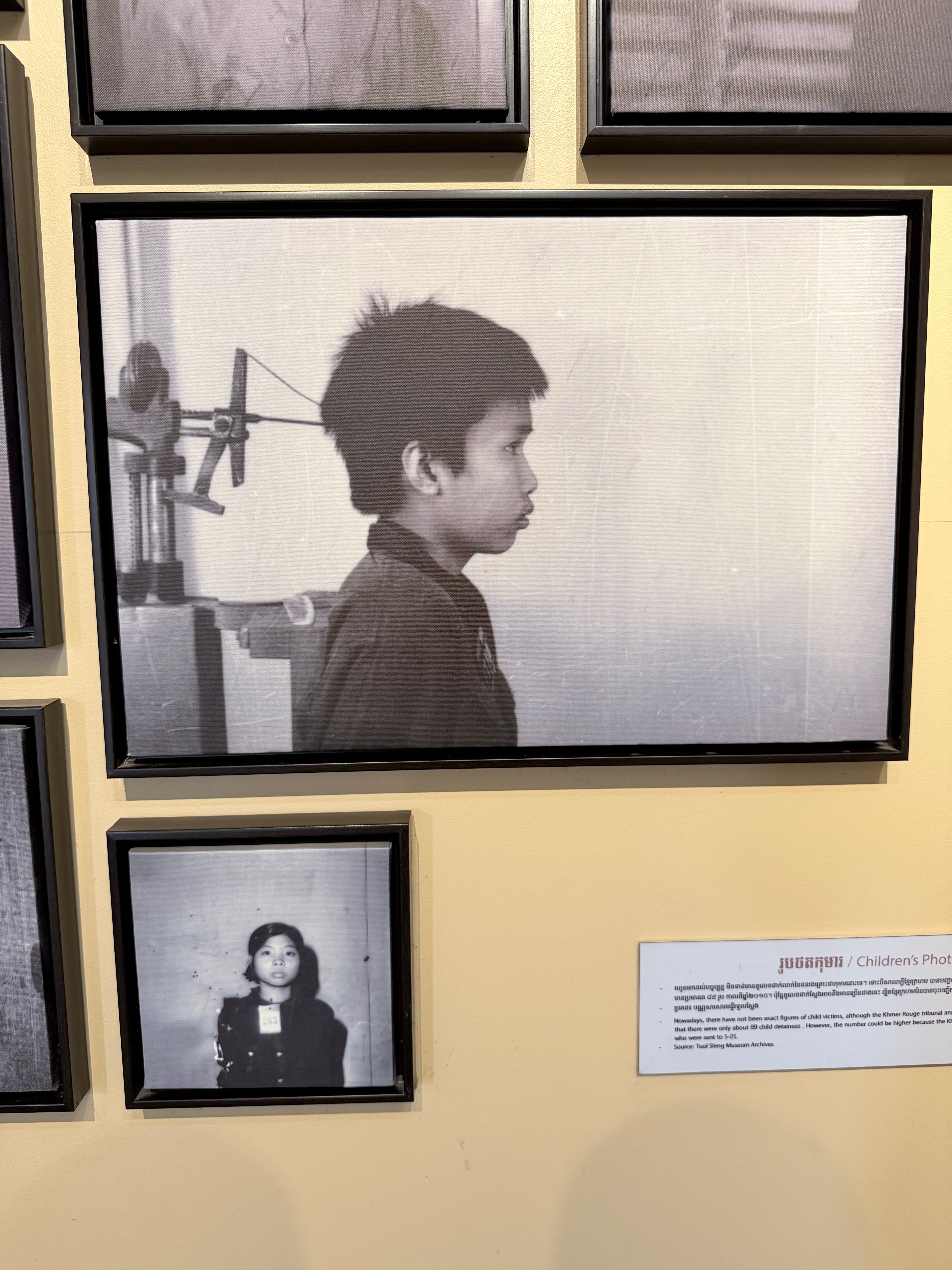
To standardize booking photos, inmates sat on a chair with a device attached.
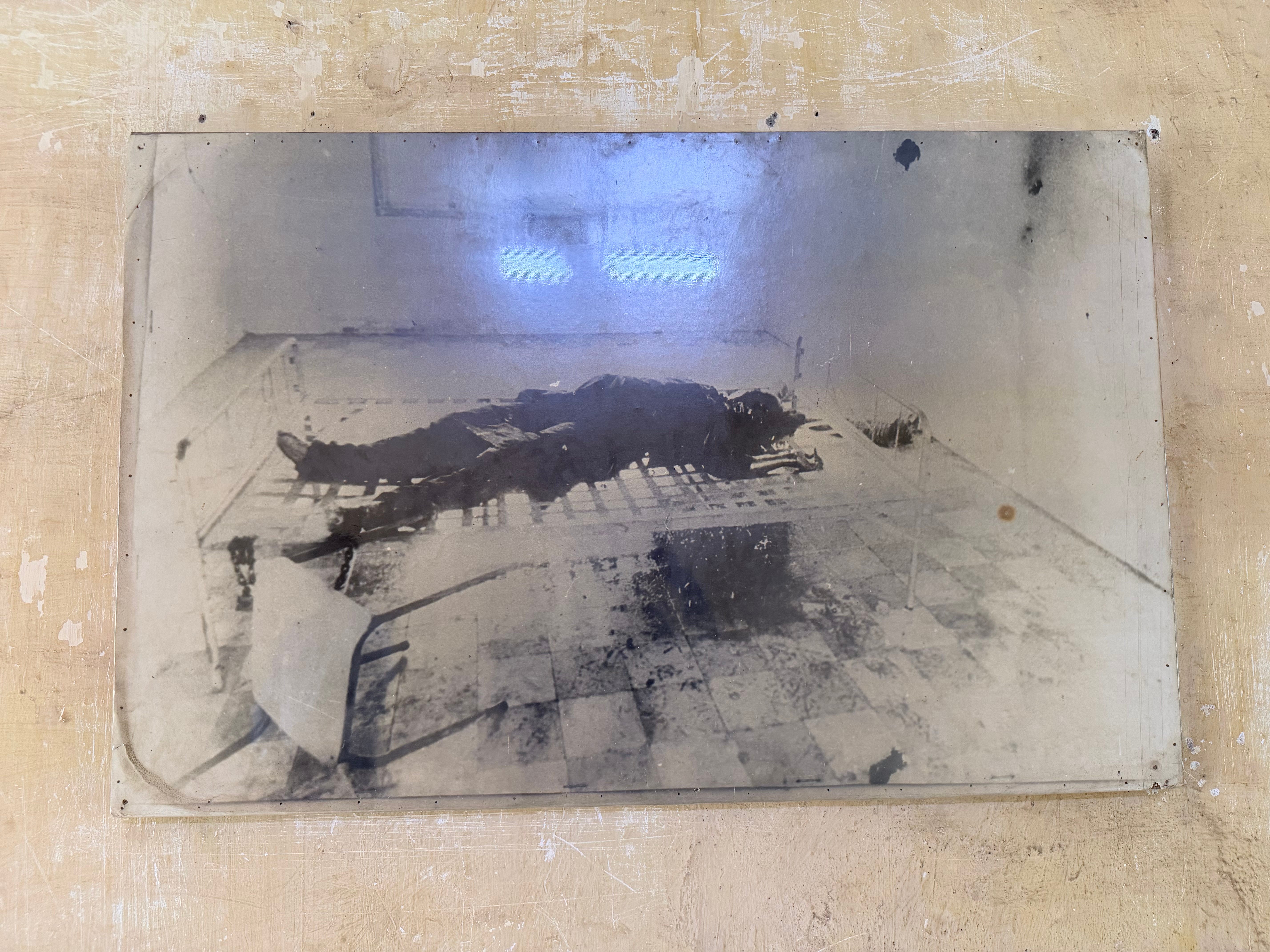
A decomposing body was found shackled on a bed used for torture in one of the rooms at the school-turned-prison.

At Choeung Ek, one of the Khmer Rouge death camps near Phnom Penh, the larger exhumed mass graves are covered and identified. But around the field, smaller depressions are still visible from where bodies were found decades ago.
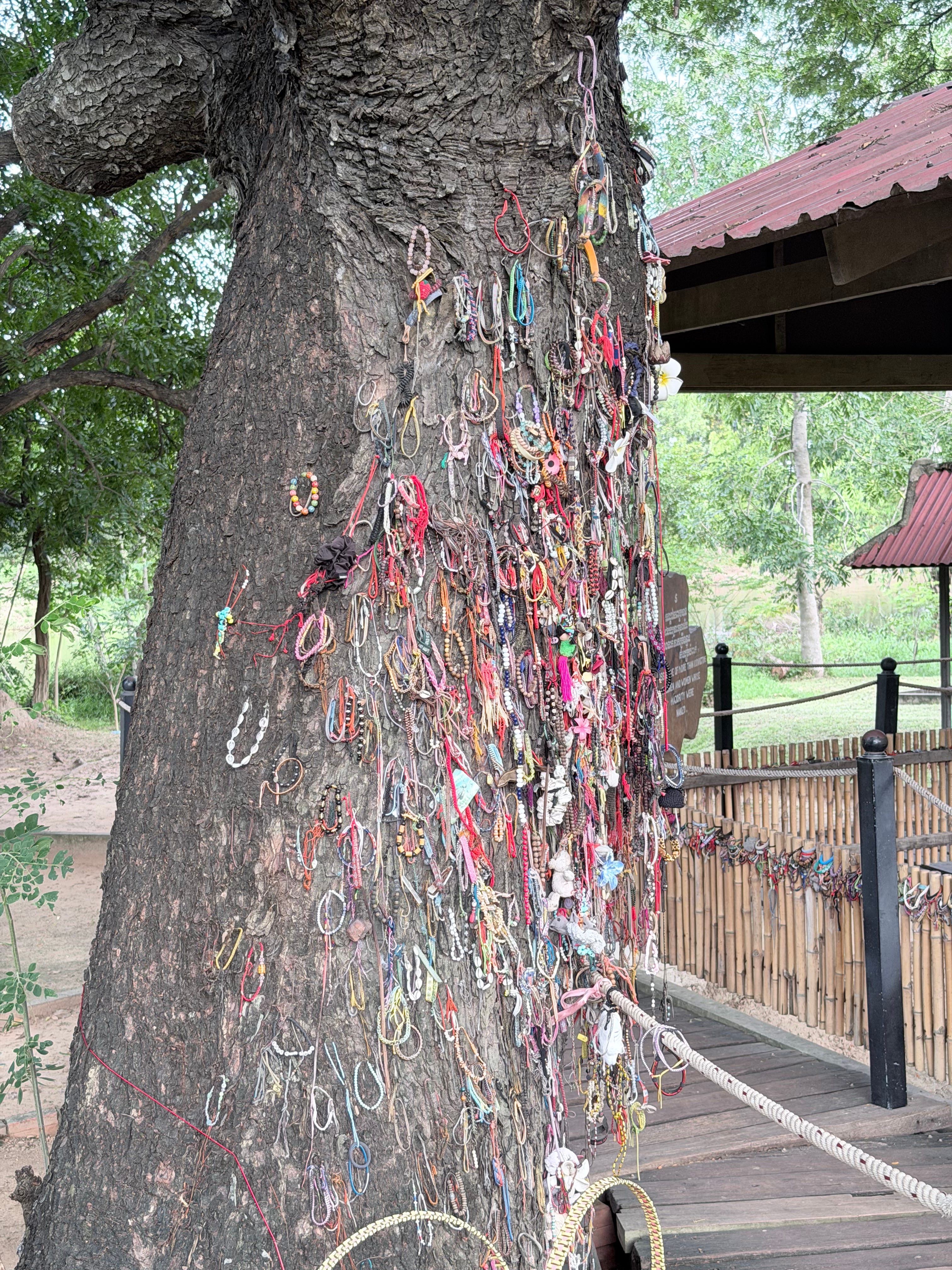
Testimony from tribunals established that children were killed by being bashed against tree trunks. One of the people who entered the killing field said this tree had dried blood and human matter on it. It is now called ‘The Killing Tree.’
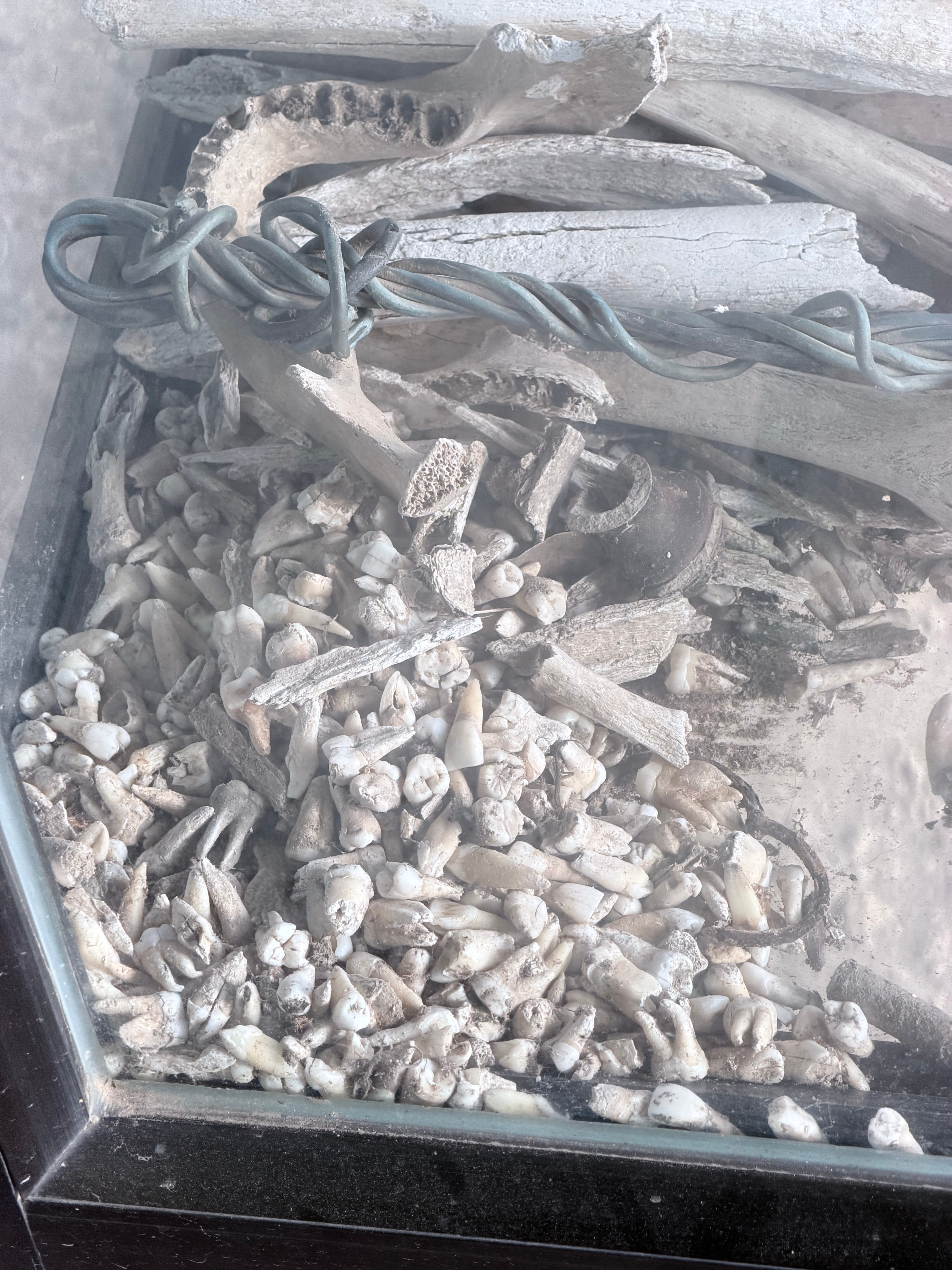
Teeth and skull fragments of unidentified victims found at Choeung Ek.
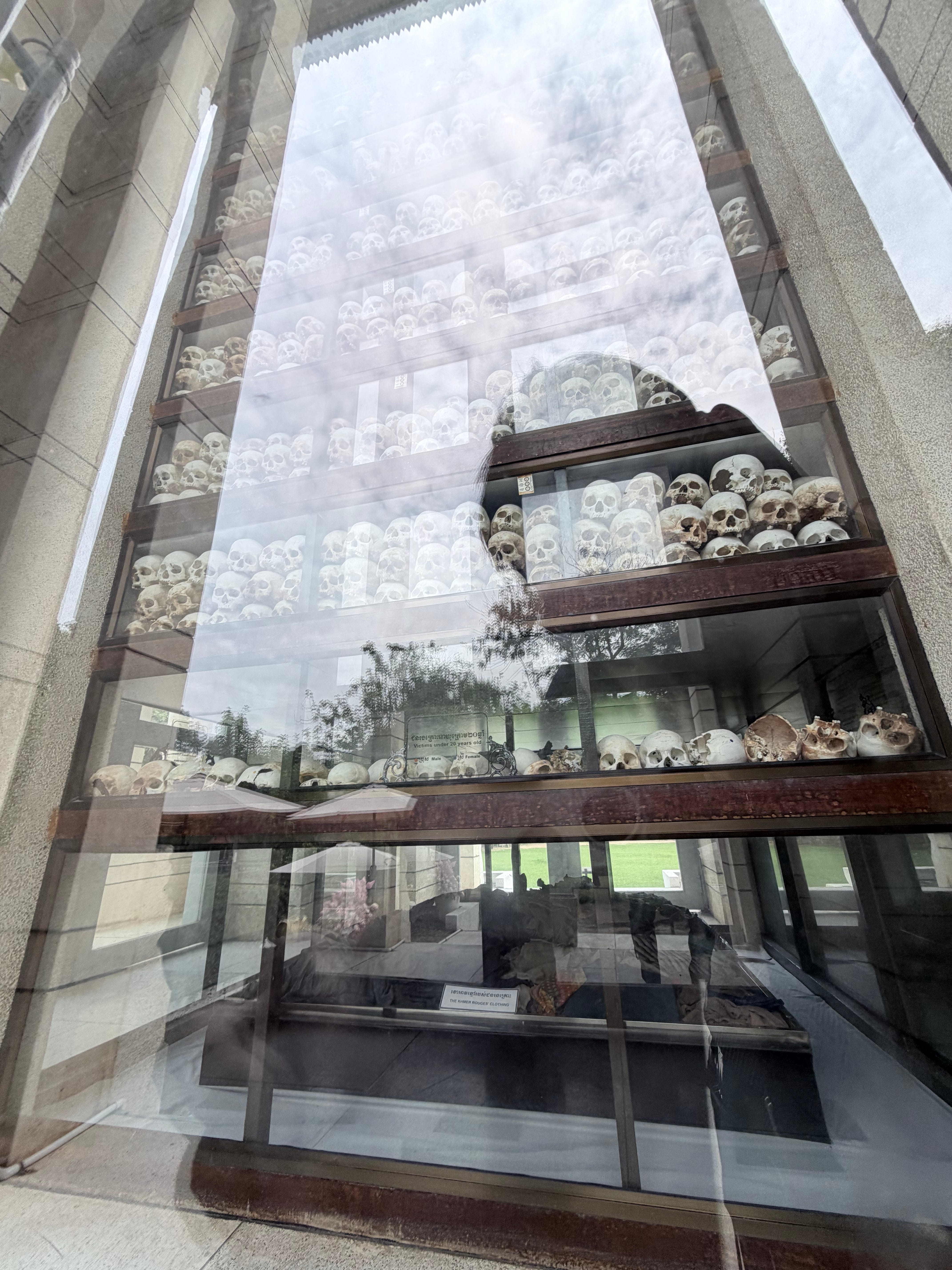
Look under the glare. There are thousands of human skulls from exhumed mass graves found at Choeung Ek. They are displayed in a stupa in the center of the memorial site.
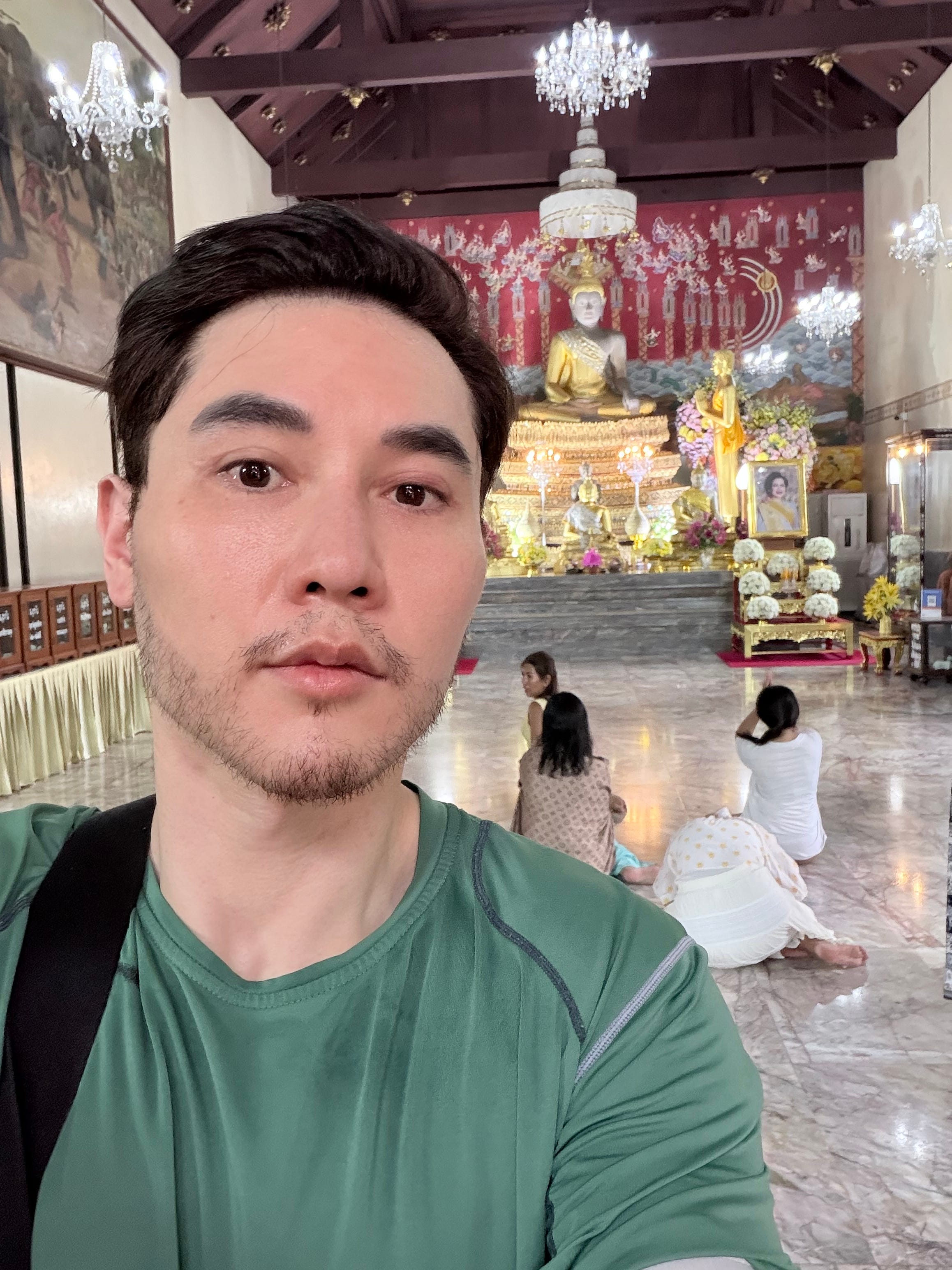
I visited a temple after the Cambodia trip to help clear my mind.

Please read my personal essay published on The Post Millennial and share your thoughts with me below.


Andy Ngo is the author of the forthcoming investigative true-crime book, The Zizians: Inside a Trans Death Cult.

Ngo Comment is a reader-supported publication. To receive new posts and support my work, consider becoming a free or paid subscriber.

No posts

© 2026 Andy Ngo · Privacy ∙ Terms ∙ Collection notice
Start your SubstackGet the app
Substack is the home for great culture